The Challenge of Drinking Water in Underserved Regions
In many developing countries and remote rural areas, access to safe, clean drinking water remains one of the most pressing challenges facing communities today. Millions of people still rely on untreated surface water, contaminated wells, or unsafe sources that put their health at serious risk.
A Practical Answer: Compact Pouch Water Production Lines
This is where compact, automated pouch water production equipment fills the void. Designed specifically for small-scale operations with limited budgets and technical resources, these systems bring professional-grade water purification technology to communities that need it most.
Unlike industrial bottling plants that cost millions and require factory buildings, pouch water production lines can be set up in spaces as small as 30-50 square meters—sometimes even in a single room. The entire system runs on standard electrical power (220V/380V) and needs only 2-3 operators.

How It Works
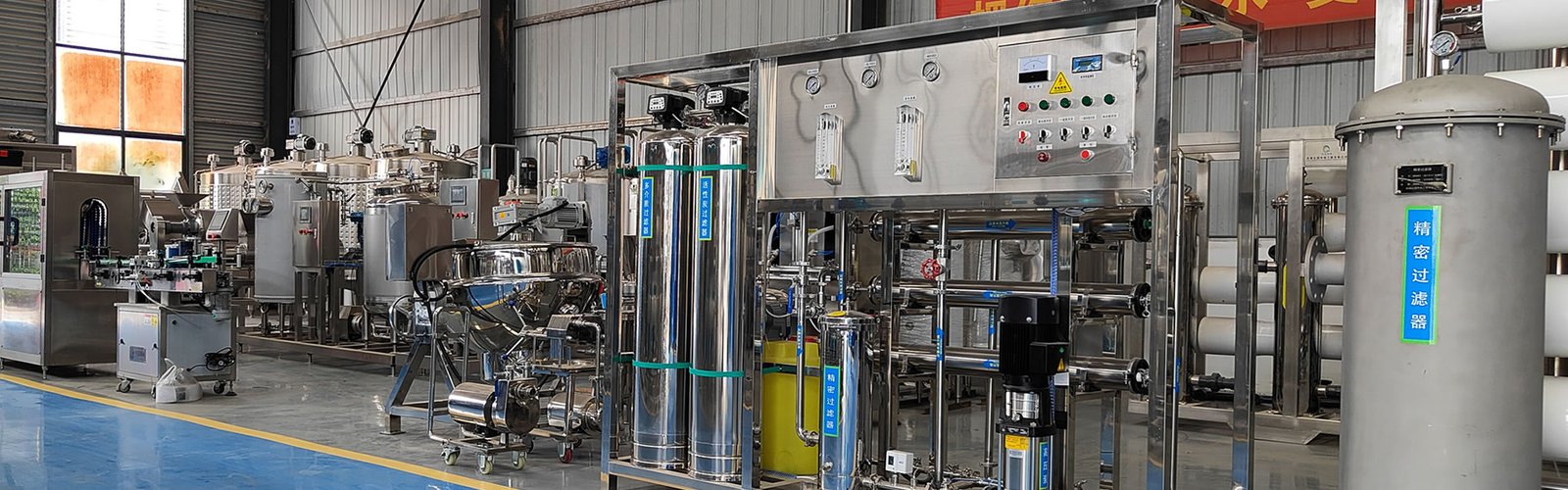
The typical bagged water (pouch water) production line includes the following core components:
- Water Treatment System—Multi-stage filtration including sediment filters, activated carbon filters, and reverse osmosis (RO) membranes. This removes impurities, bacteria, viruses, heavy metals, and dissolved solids down to 0.0001 microns.
- Pouch Packaging Machine—An automated vertical form-fill-seal unit that extrudes food-grade BOPP/PET composite film into individual pouches, injects purified water, seals the pack, and prints batch information.
- Bundling/Shrink-Wrap Unit—Groups individual pouches into retail-ready bundles wrapped in shrink film for easy distribution.
The entire process—from raw water intake to sealed, packaged product—can achieve output rates of 1,000 to 6,000 pouches per hour. A single operator can monitor the full line.
Key features:
✔️ Fully automatic PLC control with color touch screen interface
✔️ Stainless steel (SS304) construction for durability and hygiene
✔️ Adjustable speed via frequency converter
✔️ Modular design enables easy expansion
✔️ Low failure rate and simple maintenance
Why Pouch Water Makes Sense for Underserved Markets
1. Affordable Pricing for Consumers
Individual pouches typically sell for $0.02-$0.05 per pouch, making them accessible to low-income households who cannot afford bottled water priced at $0.50 or more.
2. Minimal Infrastructure Requirements
A complete small-scale pouch water plant requires no special civil engineering work, no underground piping networks. It can operate on municipal tap water or local borewell water after proper pre-treatment.
3. Rapid Deployment
From ordering equipment to commissioning the first production run takes as little as 4-8 weeks. Traditional bottled water plants often take 6-12 months.
4. Environmental Impact
Pouch water packaging uses approximately 60-70% less plastic material per liter compared to PET bottles of equivalent volume.
Real-World Applications
- Rural villages in Bangladesh and India—Small producers use mini RO units with pouch machines to sell purified water door-to-door.
- Camp settings in refugee camps—Mobile water treatment skids paired with auto-fillers provide emergency clean water.
- Disaster relief operations—Containerized production units deployed after floods or earthquakes restore water supply within days.
- Community enterprises in East Africa—Women-led cooperatives invest in entry-level pouch water lines to create local jobs while addressing critical community needs.
Getting Started: Key Considerations for New Projects
Water Source Assessment
Conduct water quality testing at the intended source location. Parameters to check include turbidity, pH, TDS, bacterial contamination, and presence of heavy metals.
Local Regulations & Certifications
Research your country drinking water regulations and any necessary permits for food/beverage production.
Spare Parts & After-Sales Support
Choose equipment suppliers who offer regional service support, spare parts availability (RO membranes, cartridges, sealing jaws), and training programs.
Business Model & Distribution
Pouch water sells through local shops, street vendors, water refill stations, and institutional buyers (schools, clinics, government offices).
Our Role in Supporting Clean Water Access
As a manufacturer of packaged water production equipment, we specialize in providing cost-effective, reliable pouch water production lines tailored for emerging market conditions. Our systems are engineered to:
- Operate continuously in hot, dusty, or high-humidity environmentsDeliver consistent output (1,000-6,000 pouches/hour) with minimal downtimeSupport both small starter configurations and scalable expansionsInclude comprehensive installation guidance and operator training materials
Conclusion
Access to clean drinking water is not a privilege—it is a fundamental human right. Yet millions remain without reliable access because the infrastructure solutions available are too expensive or too complex for their context.
Compact pouch water production lines represent a pragmatic bridge: delivering commercially viable, professionally engineered water treatment technology at the scale and price point that makes sense for underserved regions.
Ready to explore what a compact pouch water solution could look like for your community? Contact us today for a free consultation.
FAQ
What is the minimum investment needed to start a pouch water business?
A basic entry-level pouch water production line can start from approximately $8,000-15,000 USD.
What type of raw water can this system treat?
Our systems treat groundwater, municipal tap water, river water, and lake water. We recommend submitting a water sample analysis for a customized configuration recommendation.
Can the system run on solar power?
Yes, smaller-capacity models (up to 2 tons/hour) can operate with residential solar panel systems and battery storage.
How much floor space do I need?
A complete small-line installation requires just 30-50 m² (~320-540 sq ft). Even a bare concrete floor is sufficient.
Does equipment come with operator training?
All orders include detailed English operation manuals, video tutorials, and optional on-site training by our technicians.